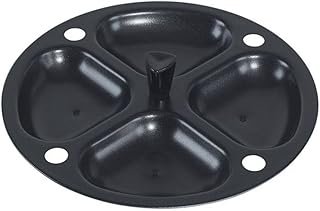
An egg poacher produces perfectly set poached eggs with minimal fuss, using a different mechanism than the classic swirling-water method. Understanding what is available helps you choose the right approach for your kitchen.
Methods of Egg Poaching
Stovetop Pan with Egg Poaching Cups
The most common home egg poaching setup — a pan with a tight-fitting lid that sits over simmering water, with individual cups that hold the eggs above the steam. The cups are typically greased, the eggs cracked into each cup, and the lid placed over the pan to trap steam and cook the eggs from above. Produces consistent, uniform eggs that are fully set and easy to remove. The Nordic Ware egg poacher is a classic stovetop version designed for this method.
Silicone Poaching Pods
Silicone cups that float in simmering water. The eggs crack directly into the cups, which prevent the eggs from dispersing in the water. They cook from all sides through the water and steam. Easy to clean, flexible, and effective for producing uniform poached eggs.
Classic Water Poaching (No Insert)
The traditional method — barely simmering water with a splash of vinegar, swirling the water to wrap the egg white around the yolk. Produces the most beautiful results with very fresh eggs but requires practice and skill. No special equipment needed but consistency varies.
Microwave Poacher
Small microwave-safe containers with lids that steam the egg in the microwave in about 1 minute. Convenient for single servings but texture is different from stovetop poaching. Can produce rubbery whites if overcooked by even 10 seconds.
Key Features for Stovetop Poachers
Number of Eggs
Stovetop egg poachers typically accommodate 4 or 6 eggs. A 4-cup version suits most households; a 6-cup version is better if you regularly cook for more people.
Cup Nonstick Coating
Even with greasing, nonstick-coated cups release eggs more cleanly. Look for cups described as having a proper nonstick coating rather than bare aluminum, which requires more careful greasing.
Lid Fit
A tight-fitting lid is essential for efficient steam cooking. A loose lid allows too much steam to escape, increasing cook time and producing unevenly set eggs.
Pan Material
The base pan should be heavy enough to maintain even heat. Thin base pans produce hot spots that cause uneven cooking of the water and steam. Stainless steel or hard-anodized aluminum bases are the best choices.
Cook Time
In a stovetop egg poacher, eggs typically take 4-6 minutes depending on the desired doneness. Soft yolk requires around 4 minutes; a firmer yolk 5-6 minutes. Timing varies by the individual egg size and how cold the eggs were when placed in the cups.
What to Look For
For most home cooks, a 4-cup stovetop egg poacher with nonstick-coated cups and a tight-fitting lid is the most practical choice. Nordic Ware makes highly regarded stovetop poachers that work reliably and are easy to clean. For single servings, a silicone poaching pod or microwave poacher is more practical.
Summary
An egg poacher removes the guesswork from achieving consistent poached eggs. The stovetop cup-and-steam method is the most reliable for uniform results across multiple eggs simultaneously.
You can check more details and current options on Amazon here.