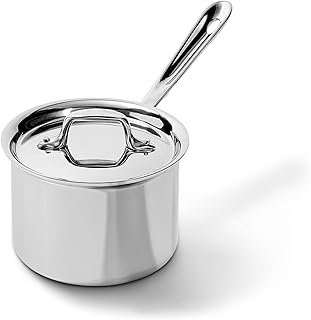
A saucepan is one of the most frequently used pots in any kitchen. It handles a wide range of tasks — making sauces, reheating soups, cooking grains, and steaming vegetables. Choosing the right one involves understanding materials, size, and construction details.
What a Saucepan Is For
A saucepan has straight or slightly flared sides and a single long handle. It is designed for tasks where you need to stir frequently, reduce liquids, or control heat precisely. It differs from a saute pan (which has a wider base and vertical sides specifically for browning) and from a stockpot (much larger, for soups and stocks).
Materials
Fully Clad Stainless Steel
Fully clad stainless steel saucepans (with aluminum or copper core layers extending up the sides) are the professional standard. They heat evenly from base to rim, do not react with acidic ingredients, and are highly durable. The All-Clad D3 and similar brands represent this category. They are expensive but last decades and perform consistently at every task.
Aluminum (Nonstick)
Nonstick-coated aluminum saucepans heat quickly and make cleanup very easy, particularly for starchy dishes like oatmeal or rice porridge that tend to stick. The nonstick coating has a limited lifespan and requires careful handling (no metal utensils, low-medium heat only).
Enameled Cast Iron
Enameled cast iron saucepans retain heat very well and are excellent for slow simmering. They are heavy and take a long time to heat up, which makes them less practical for tasks that require frequent temperature adjustment.
Copper
Copper saucepans offer the finest heat control of any material — they respond to temperature changes almost instantly. They are expensive, require polishing to maintain appearance, and the cooking surface is typically lined with stainless steel (as bare copper is reactive). Best for precision sauces where temperature control is critical.
Sizes
Saucepans range from 1 quart (for melting small amounts of butter or warming cream) to 4 quarts (for cooking large quantities of grains or pasta sauces). A 2-quart saucepan is the most versatile general-purpose size for most households. A 3-4 quart saucepan is useful as a secondary size for larger preparations.
Lid
A tight-fitting lid is important for steaming, simmering, and reducing liquid efficiently. Glass lids allow you to monitor cooking without lifting and releasing steam. Stainless steel lids are more durable. The lid should fit precisely — a loose lid allows steam to escape and makes simmering less efficient.
Handle
A saucepan handle is used frequently — it must be comfortable to grip and stay cool on the stovetop. Stainless steel handles conduct some heat; silicone sleeves or stay-cool designs are more comfortable. A riveted handle is more secure than a welded one over time.
What to Look For
For serious cooks, a 2-quart fully clad stainless steel saucepan from a reputable brand (All-Clad, Demeyere, Cuisinart Multiclad Pro) is the best investment. For everyday cooking without the investment, a heavy-gauge nonstick aluminum saucepan handles most tasks well with easier cleanup.
Summary
A saucepan is a daily-use kitchen staple where material, size, and construction quality directly affect performance. A well-chosen saucepan in the right material for your cooking style will serve you for years across a wide range of cooking tasks.
You can check more details and current options on Amazon here.