A cheese grater is a kitchen tool that can refer to everything from a simple box grater to a dedicated microplane-style fine grater. Understanding the types and which one suits your needs helps you buy the right tool for how you actually cook.
Types of Cheese Graters
Box Grater
A four-sided upright grater with different hole sizes on each face. The most versatile option — it handles coarse shredding, medium grating, fine grating, and slicing. Discussed in detail in our box grater guide. The most practical choice for households that grate many different types of cheese and vegetables.
Microplane/Rasp Grater
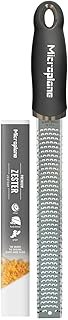
A long, narrow grater with photo-etched blades that produce extremely fine, fluffy grated cheese — ideal for Parmesan, Pecorino Romano, and hard aged cheeses. The fine texture produced by a Microplane melts instantly into hot dishes, coats pasta evenly, and creates a different eating experience from coarser grated cheese. A Microplane zester/grater is also the best tool for citrus zest, ginger, garlic paste, chocolate, and nutmeg.
Rotary Grater
A hand-cranked drum grater where the cheese is pressed against a rotating drum with grating holes. Produces uniform, fine shreds suitable for garnishing. Useful for soft cheeses that would smear on a flat grater. Limited in its versatility compared to box or flat graters.
Flat Grater (Paddle)
A flat, handled grater that functions like a large rasp. Useful for medium to fine grating tasks. Less versatile than a box grater but very easy to use and clean.
Hole/Blade Size and Cheese Type
Matching the right grater to the cheese type matters significantly:
- Hard, aged cheeses (Parmesan, Pecorino, aged Cheddar): Microplane or small-hole box grater for fine grating; large-hole box for shredding.
- Medium-hard cheeses (Gruyere, Gouda, Cheddar): Large or medium holes on a box grater for shredding and melting.
- Soft cheeses (Mozzarella): Large-hole box grater. Chill the mozzarella before grating to prevent smearing.
- Semi-soft cheeses: Rotary grater or large-hole box.
Sharpness and Blade Quality
The sharpness of the grating surface is the single most important factor in how a grater performs. Microplane uses photo-etched surgical steel that is genuinely razor-sharp — it cuts through cheese cleanly rather than tearing it. Stamped-steel graters on cheaper box graters mash as much as they grate. A sharp grater requires significantly less force and produces cleaner results.
Cleaning Challenges
Soft, high-moisture cheeses (mozzarella, fresh cheddar) stick in the grating holes. Partially freezing the cheese before grating helps reduce sticking. Clean graters promptly before the cheese dries — dried cheese in the holes is very difficult to remove. A stiff brush works better than a cloth for cleaning grating surfaces.
What to Look For
For a dedicated Parmesan and hard cheese grater, a Microplane classic fine grater is the clear choice — nothing else matches its fineness and ease of use. For general cheese shredding, a quality box grater handles all tasks. For households that grate a variety of cheeses regularly, owning both is the most practical approach.
Summary
Cheese graters range from specialized microplane-style tools for fine hard-cheese grating to versatile box graters for general shredding. Sharpness of the cutting surface is the most important factor. Choosing the right type for the cheeses you use most frequently produces noticeably better results in your cooking.
You can check more details and current options on Amazon here.