A can opener is one of those kitchen tools that goes unnoticed until it fails. A good one opens cans quickly, cleanly, and safely. A poor one slips, leaves jagged edges, and is frustrating to use. Here is what to know before buying one.
Types of Can Openers
Manual Side-Cut Opener
The traditional can opener that cuts through the top lid from the side. The lid pops off or must be removed carefully because the cut edge is sharp. These are the most common and least expensive type. Quality varies significantly — the cutting wheel and gear mechanism determine how smoothly and reliably it works.
Safety/Smooth-Edge Opener
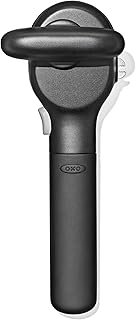
Cuts the side of the can rather than through the top, removing the lid intact with no sharp edges. The lid can be pressed back on as a temporary cover. OXO Good Grips makes a popular smooth-edge model that is consistently well-regarded for reliability and ease of use. These are more expensive than standard side-cut models but significantly safer and more practical.
Electric Can Opener
Automatically cuts around the lid with minimal hand effort. Most models are countertop appliances. Useful for people with limited hand strength or arthritis, or for households that open many cans regularly. They take up more space and require cleaning after each use.
Key/Butterfly Opener
A small, compact opener that uses a key-like mechanism to pierce and cut around the lid. Useful as a travel or camping opener. Less practical for regular home use than a full-size model.
Key Features for Manual Openers
Cutting Wheel
The cutting wheel (the small serrated disk that actually cuts through the metal) is the most critical component. A sharp, hardened cutting wheel cuts cleanly with minimal effort. Cheap openers use soft steel wheels that dull quickly and require more force, increasing the chance of slipping. Look for openers described as using hardened or stainless cutting wheels.
Drive Gear
The drive gear engages with the can rim and propels the opener around the can as you turn the handle. A well-machined drive gear moves smoothly with no slipping. A poorly fitting gear slips and stalls, requiring repositioning and recutting.
Handle Design
A comfortable, non-slip handle reduces hand fatigue, particularly for those opening multiple cans. Large, cushioned grips are significantly more comfortable than small metal handles. The turning knob should rotate smoothly and be large enough to turn without requiring a tight grip.
Left-Handed Use
Most standard can openers are designed for right-handed use. Some smooth-edge models and electric openers work equally well for both hands.
Cleaning
The cutting wheel and gear area of a can opener are difficult to clean thoroughly. Look for models that can be rinsed under running water. Many OXO models have a folding design that allows better access to the cutting mechanism. Some models are dishwasher safe — check before using this method, as the dishwasher can corrode metal gears over time.
What to Look For
For most households, the OXO Good Grips smooth-edge can opener provides the best combination of safety (no sharp edges), reliability, comfort, and ease of cleaning. If you prefer a traditional side-cut model, choose one with a hardened stainless cutting wheel and an ergonomic handle.
Summary
A can opener is a simple tool where cutting wheel quality, gear mechanism, and handle comfort determine how reliably it works. A smooth-edge design adds meaningful safety over traditional side-cut models. A quality can opener is a small investment that eliminates a daily frustration.
You can check more details and current options on Amazon here.